Welcome back to an all-new edition of Workforce Central! In this episode, NAWB President and CEO, Brad Turner-Little, talks with Executive Director and CEO of Pikes Peak Workforce Center, Traci Marques. They discuss the vital role that workforce boards play in connecting businesses with job seekers and fostering economic vitality in their communities. Traci shares insights on how her organization serves the diverse needs of urban and rural areas, collaborates with economic development entities, supports small businesses, and helps military veterans transition into the civilian workforce. She also touches on exciting developments on the horizon, such as the integration of artificial intelligence to enhance the efficiency and impact of workforce boards.
NAWB Provides Testimony to House Subcommittee
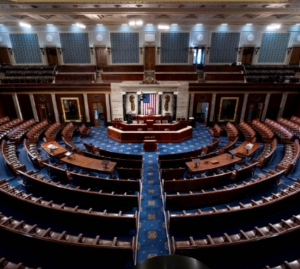
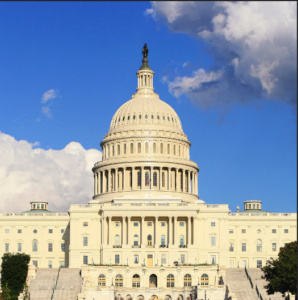
NAWB gave testimony in support of a 5% funding increase for core Title I WIOA programs to the Labor-HHS-Education Appropriations Subcommittee. Read the full text below
My name is Brad Turner-Little and I am privileged to serve as the CEO of the National Association of Workforce Boards (NAWB). We represent the nation’s nearly 600 Workforce Development Boards, which coordinate with education and economic development stakeholders to administer regional workforce programs to meet the needs of jobseekers, employers, and the wider communities that they serve. I appreciate the opportunity to submit this testimony in support of an increased federal investment in the primary Title I formula programs authorized by the Workforce Innovation and Opportunity Act (WIOA), including Adult and Dislocated Worker Employment and Training; and Youth Employment Activities.
Specifically, we encourage the subcommittee to invest at least $3.08 billion, collectively, for these three WIOA programs as part of the FY2025 Labor-HHS-Education appropriations bill, a roughly five percent increase over current levels of investment.
Right now, there are approximately 6.4 million jobseekers in America. And there are an estimated 8.7 million jobs that businesses are struggling to fill. How do these two populations find each other? In many cases, it is a local Workforce Development Board.
Workforce Development Boards (WDBs) preside over more than 2,000 American Job Center locations throughout the nation. In the most recent program year, core WIOA programs served nearly 3 million individuals across the nation, many with the most significant challenges to finding and obtaining family-sustaining employment. Over 70 percent of all individuals served during this time period were employed after receiving critical career and training services. These same individuals earned more than 100,000 credentials of value.
Increasing the investment in WIOA remains a critical way for Congress to ensure that employers have the skilled talent they need to be successful while also supporting some of our most vulnerable and underserved populations in participating within the labor market. This is especially important as the national labor force participation rate has yet to rebound to pre-pandemic levels and as tight labor conditions persist across the nation. There may not be a more vital investment Congress can make than WIOA in terms of boosting our economy by matching skilled workers with businesses that are hiring, especially for in-demand sectors of our shared economy. Unfortunately, funding for core Title I WIOA programs has eroded steadily over the past several decades. Without an increased investment for these programs, both jobseekers and businesses will face greater difficulty in training and hiring skilled workers. For example, as pointed out by one of our local WDB members in Kansas, funding from WIOA has fallen by 46% in the last 10-12 years, in real dollar terms not accounting for the impacts of inflation. NAWB therefore urges you to provide at least $3.08 billion for core Title I WIOA programs in FY25 which we believe would be an important first step and downpayment toward closing this funding gap that has grown considerably over time. Our nation’s investments in workforce development help to create a comprehensive system capable of producing a highly skilled workforce that can compete in the global economy. Robust funding for WIOA is essential to helping more individuals find and secure family-sustaining employment.
Simply put, WDBs perform an indispensable function, reskilling and upskilling workers, matching workers and employers within local economies, and ultimately providing pathways to meaningful careers. Yet, WDBs need more robust resources to achieve these objectives.
I once again thank you for allowing me to provide this testimony to the Subcommittee.
House-Passed WIOA Bill Misses the Mark
The US House of Representatives passed HR 6655, A Stronger Workforce for America Act, late yesterday with overwhelming bipartisan support.
The bill reflects compromises by both House Republicans and Democrats to reauthorize the Workforce Innovation and Opportunity Act (WIOA), which has not been reauthorized since its authorization expired in 2019.
While bipartisan policymaking is commendable, it does not always result in sound policy.
The National Association of Workforce Boards (NAWB), which represents the more than 590 local and state workforce boards responsible for implementing WIOA, is deeply disappointed that this legislation includes provisions that undermine local communities’ ability to develop workforce solutions that drive economic growth.
One concerning provision mandates that 50% of WIOA Title I Adult and Dislocated Worker funds be spent on training. While this may seem beneficial, the mandate’s narrow definition of training creates numerous unintended and harmful consequences.
- Impact on Small Businesses: Local workforce boards would be forced to redirect funds currently used to help tens of thousands of small businesses find and support the skilled talent they need.
- Reduction in Supportive Services: Funds for essential services like childcare and transportation—resources relied upon by hundreds of thousands of job seekers—would be significantly reduced, restricting access to employment or training opportunities.
- Erosion of Local Decision-Making: The mandate restricts local businesses, economic developers, elected officials, and community stakeholders from crafting workforce strategies tailored to their state and local needs.
Another troubling provision increases the amount of WIOA funds a Governor can retain at the state level for Critical Industry Skills initiatives, purportedly to encourage innovation. While NAWB supports fostering innovation, this provision raises statewide reservations of WIOA funding to 25% of all Title I formula resources.
When combined, these provisions would leave local communities with just a quarter of the WIOA formula funds they currently use to support job seekers and workforce development. Given WIOA’s long history of underfunding, this shift would have severe consequences for job seekers and employers nationwide.
NAWB has shared these concerns with House leaders and lawmakers, yet the vote advancing this legislation shows that more effort is needed to ensure policymakers understand the importance of a thoughtful WIOA reauthorization. Such reauthorization must balance the needs of all stakeholders served by these programs and systems.
As the focus now shifts to the Senate, NAWB will continue advocating for local communities to retain the flexibility to use WIOA funds in ways that best promote economic vitality for businesses of all sizes and their workforce.
Unfortunately, HR 6655 misses the mark.
Task Force on Transforming Training and the Eligible Training Provider List
Recommendations From the Workforce Transformation Policy Council
In 2023, Jobs for the Future (JFF) and NAWB launched the Task Force on Transforming Training and the Eligible Training Provider List (ETPL), an initiative of the Workforce Transformation Policy Council (WTPC).
This task force, composed of executives from workforce development boards nationwide, engaged in a series of meetings and interviews to identify how federal policies can better support workforce systems in delivering people-first, equity-centered outcomes.
The principles and recommendations developed by the task force emphasize the strength of the national workforce development system while prioritizing local responsiveness and data-driven strategies.
Read the full report.
Highlights from NAWB’s Forum 2024
The Forum 2024: Forging Tomorrow’s Workforce Today
The Forum 2024, held March 23–26 in Washington DC, brought together 1,300 attendees, more than 200 speakers, over 60 breakout sessions, six general sessions, and five NAWB Awards presentations. This year marked the debut of NAWB’s new abbreviated logo and the introduction of our new President and CEO, Brad Turner-Little, who served as MC during all general sessions.
Highlights from The Forum 2024
NAWBTown:
The event’s central hub for networking, NAWBTown, featured Sponsor Zones, the Member Zone, and the Town Square, which hosted the Welcome Reception, Jazz in the Park, headlined by DC’s beloved jazz band, Secret Society.
Day One:
NAWB Board Chair Lisanne McNew set the tone with an energetic entrance, dancing onto the stage to a live DJ. She introduced Brad Turner-Little, who shared his vision for NAWB and the workforce development community. Keynote speaker Eric Termuende, best-selling author and workforce trends expert, captivated the audience with insights on trust within teams and communities.
Local Business Sunday:
Attendees supported Adams Morgan and Dupont Circle businesses using $25 vouchers courtesy of NAWB, fostering connections with the local economy.
Day Two:
Inspiring remarks came from Acting Secretary of Labor Julie Su, Maryland Governor Wes Moore, and Kristen Christy, America’s Resilience Trainer. Administrator Isabel Casillas Guzman of the SBA joined Lisanne McNew to announce a new partnership between NAWB and the SBA.
Federal Policy Updates:
The packed session covered FY24/25 budgets, WIOA reauthorization, short-term Pell reform, and National Apprenticeship Act (NAA) reauthorization.
DOL Day (Day Three):
DOL Regional Administrators and NAWB Regional Liaisons hosted discussions on workforce challenges in six US DOL regions. The day concluded with remarks from Deputy Assistant Secretary Lenita Jacobs-Simmons and White House Senior Advisor Tom Perez. Additional sessions, led by NSF and USDA, focused on job quality, innovation, and rural workforce development.
Breakout Sessions:
Topics included virtual reality in apprenticeships, workforce strategies for justice-involved individuals, clean technology, DEIAB, childcare’s role in workforce development, and demystifying AI.
For more highlights, check out #NAWBForum24 on X, LinkedIn, and Instagram. Save the Date! Join us March 29–April 2, 2025, in Washington DC for the next Forum!
National Association of Workforce Boards Announces 2024 NAWB Award Winners
E129: Meet Brad Turner-Little, CEO of NAWB
Tune in for this special episode as Mike Fazio, Co-President of Workforce180 and Metrix Learning, interviews Brad Turner-Little, the new CEO of NAWB. Brad talks about his career journey and outlines his vision for NAWB.
Empowering Tomorrow’s Workforce: The Rise of Clean Energy Apprenticeships
Apprenticeships are revolutionizing workforce development, offering a proven approach to recruiting, training, and retaining skilled workers. Recognizing their potential, workforce boards nationwide are partnering with industries to align apprenticeship programs with evolving labor market demands. The National Association of Workforce Boards (NAWB) is at the forefront of this movement, building strategic alliances to foster sustainable, diverse, and highly skilled workforces.
One standout collaboration involves NAWB and the ACE Network, a national coalition focused on advancing Registered Apprenticeship Programs (RAPs) in the clean energy sector. This partnership is particularly relevant as clean energy companies increasingly turn to apprenticeships, driven by new incentives under the Inflation Reduction Act (IRA). By investing in RAPs, these companies are creating a robust pipeline of skilled, diverse talent to meet the demands of this rapidly growing industry.
The Inflation Reduction Act has invigorated the apprenticeship landscape, especially in clean energy, by incentivizing companies to prioritize workforce development. Apprenticeships provide structured, hands-on training, equipping workers with the skills to address the unique challenges of clean energy roles while fostering growth and sustainability across the sector.
Central to this transformation is the ACE Network, powered by the U.S. Department of Labor and spearheaded by the Interstate Renewable Energy Council (IREC). The network unites a range of partners, including:
- Building Performance Association
- Solar Energy Industries Association
- HBCU Clean Energy Initiatives
- Solar and Storage Industries Institute
- Renewables Forward
- Arkansas Advanced Energy Foundation
- Energy Center
- IWSI America
The ACE Network provides comprehensive technical support to educators, employers, community organizations, and individuals. It focuses on developing and marketing RAPs in clean energy, ensuring these programs meet industry needs and promote equitable workforce development.
As demand for skilled clean energy workers accelerates, the collaboration between NAWB and the ACE Network exemplifies proactive workforce initiatives. The Inflation Reduction Act has created momentum for companies to embrace apprenticeships, strengthening the industry while empowering individuals to pursue meaningful careers in clean energy.